
Leaking Shower: Do You Need a Plumber or a Shower Repair Specialist?
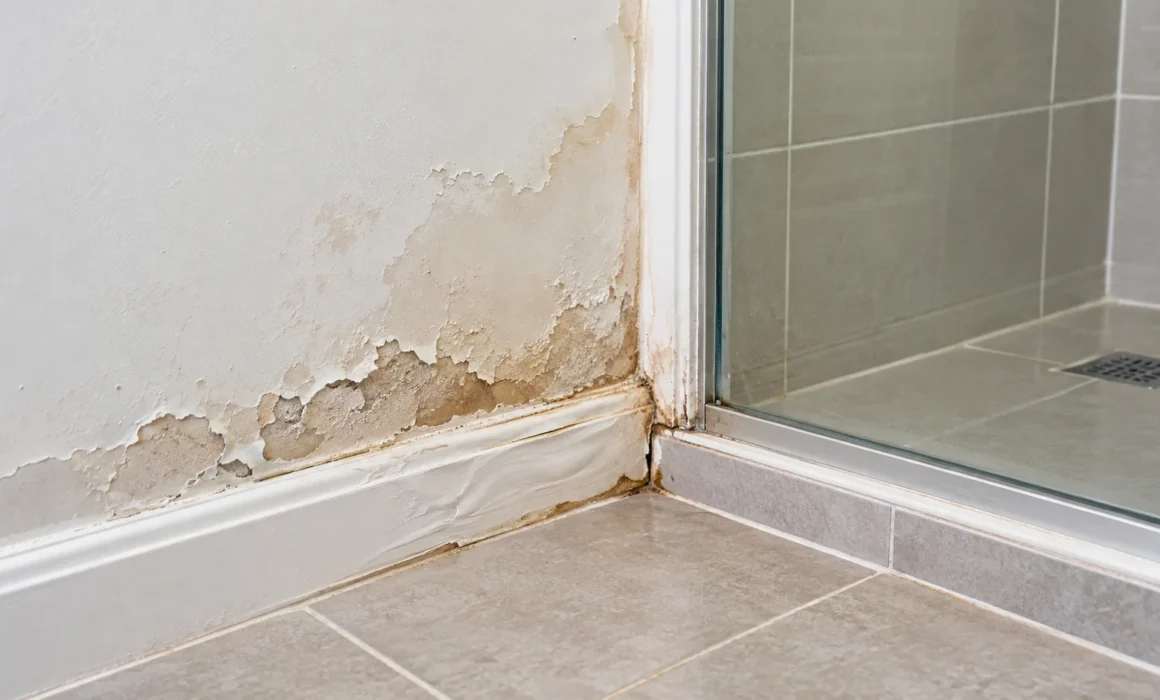
You have found a damp patch, a swollen skirting board or a stain on the ceiling under the bathroom. The obvious next step is to search for a leaking shower plumber. That is sometimes right, and often wrong. Most shower leaks we are called to in Brisbane and on the Gold Coast have nothing to do with pipes. The water is escaping through failed grout, a broken silicone joint or a tired waterproofing membrane, and a plumber cannot fix those. This guide shows you how to work out which kind of leak you have, who is licensed to repair it in Queensland, and how to avoid paying a call-out fee to the wrong trade.
Quick answer: Call a plumber if water leaks even when the shower is not being used, if your water meter turns with every tap off, or if a tap or shower head drips. Call a shower repair specialist if the leak only appears during or after a shower. That pattern points to failed grout, sealant or waterproofing rather than pipes.
The two kinds of shower leak
Every leaking shower falls into one of two families. Knowing which one you have answers the “who do I call” question straight away.
1. Plumbing leaks (pressurised water)
These come from the pipes, fittings and tap bodies inside the wall. The water in them is under mains pressure all day, so the leak does not care whether anyone is showering. Typical causes are a split pipe, a failed joint, or worn washers and spindles in the tap bodies. A cracked or poorly connected waste pipe under the shower also sits in this family, because it is plumbing and drainage work.
2. Enclosure leaks (water escaping the shower recess)
These happen only when the shower is in use. Water lands on the tiles, finds a way past the surface and travels into the wall or floor. Common entry points are:
- cracked, eroded or missing grout
- silicone that has split or pulled away at the wall and floor junctions
- cracked tiles or a loose tile bed
- a waterproofing membrane that has failed behind or under the tiles
- gaps around the waste, the hob or the shower screen
Building movement makes this worse. Queensland homes shift with reactive clay soils and seasonal moisture, and rigid grout cracks when the walls and floor move in different directions.
Three tests you can do before you call anyone
You do not need tools for these. Each one takes a few minutes of effort and a bit of patience.
Test 1: The water meter test
- Turn off every tap, appliance and irrigation system in the house.
- Read your water meter and write the numbers down, or take a photo.
- Use no water for at least 30 minutes. An hour is better.
- Read the meter again.
If the reading has moved, pressurised water is escaping somewhere on your property. That is a job for a plumber. It may not be the shower, but a plumber is the right person to find it.
Test 2: The dry shower test
Stop using the leaking shower for three to five days and use another bathroom if you can. Watch the damp patch.
- It dries out or stops growing: the leak depends on shower use. Think grout, silicone, tiles or membrane.
- It stays wet or keeps growing: water is arriving without the shower running. Think pipes.
Test 3: The floor versus wall test
Once the area has dried, run water from a bucket or the hand-held hose onto the floor only, straight down the waste, for five minutes. Keep the walls dry. Check for damp after an hour. On another day, wet only the walls and the wall-floor corners.
This tells you roughly where water is getting in. Damp after the floor-only run points to the waste, the floor grout or the membrane under the tiles. Damp after the wall run points to the corners, the tap penetrations or the wall grout.
These tests narrow things down. They do not replace professional shower leak detection, which uses pressure and moisture testing to confirm the source before any repair starts.
Symptom checker: plumber or shower repair specialist?
| What you notice | Most likely cause | Who to call |
|---|---|---|
| Tap or shower head drips when turned off | Worn washers, seats or cartridge | Plumber |
| Water meter moves with everything off | Leak on a pressurised pipe | Plumber |
| Damp patch grows even when the shower is not used | Pipe or fitting inside the wall | Plumber |
| Slow drain, gurgling or sewer smell | Blocked or damaged waste | Plumber |
| Damp wall or carpet only after showers | Failed grout, silicone or membrane | Shower repair specialist |
| Water appears outside the shower screen | Screen seals or floor falls | Shower repair specialist |
| Cracked, loose or drummy tiles | Movement and water under the tiles | Shower repair specialist |
| Mould that returns within weeks of cleaning | Moisture trapped behind the tiles | Shower repair specialist |
| Ceiling stain under an upstairs shower | Either family | Run the tests above first |
If you are still unsure after the tests, our guide to a shower leaking behind the wall lists more signs to look for.
What a plumber does, and what a plumber does not do
A licensed plumber repairs water supply pipes, tapware, mixers, drainage and waste connections. If your leak is in that family, nobody else should touch it. In Queensland, plumbing and drainage work needs a licence at any job value, according to the QBCC’s licensing rules.
What a plumber generally does not do is regrout, reseal or re-waterproof a tiled shower. If the pipes test fine, a good plumber will tell you so and suggest a tiler, waterproofer or shower repair specialist. You will usually still pay for the visit.
What a shower repair specialist does
A shower repair specialist deals with the enclosure itself. Depending on what the testing shows, the repair may involve:
- removing failed grout and regrouting the shower
- cutting out old silicone and resealing every junction with a flexible sealant
- sealing the tiled surface so water cannot pass through porous grout
- replacing cracked tiles
- a full shower rebuild with a new membrane when the damage is too advanced to seal
Many leaks can be fixed without removing tiles, which keeps the cost and disruption down. That option only works when the leak has been diagnosed properly first.
Licensing in Queensland: what to check before you hire
Queensland regulates both trades through the Queensland Building and Construction Commission (QBCC). Two rules matter to you as a home owner:
- Plumbing and drainage work requires a licence regardless of the price.
- Other building work, which includes tiling and waterproofing, requires a QBCC licence once the job is valued over $3,300.
Ask for the licence number and check it on the QBCC website before work starts. Ask as well what the workmanship guarantee covers and for how long. A licensed contractor also gives you a path to the QBCC’s defective work process if the repair fails.
When you need both trades
Some jobs need a plumber and a shower specialist, in that order:
- A pipe has leaked inside the wall. The plumber repairs the pipe. The wall then needs to dry, and the tiles and waterproofing that were opened up must be reinstated properly.
- The waste connection has failed. The plumber repairs the drainage. The floor around the waste then needs waterproofing and tiling.
- Old tap bodies are leaking into the wall. The plumber replaces them, and the penetrations are then sealed so shower water cannot track in behind the flanges.
In each case, sealing the surface before the plumbing fault is fixed will not solve anything. Get the order right and you pay for each trade once.
What the wrong call costs you
Calling the wrong trade first rarely causes harm, but it wastes money and time. A plumber’s visit ends with “your pipes are fine” and an invoice. Meanwhile the leak keeps feeding the timber framing, the flooring and any room that shares the wall.
The opposite mistake is worse. A handyman runs a bead of silicone over a joint while a pipe keeps leaking behind it. The stain disappears for a few weeks and the damage carries on out of sight. Long-term moisture also attracts termites and feeds mould, both of which cost far more than the original repair. Our leaking shower repair cost guide explains what drives the price at each stage.
Conclusion
Start with the timing. A leak that never stops belongs to a plumber. A leak that only shows up after showers belongs to a shower repair specialist. The water meter test and the dry shower test will tell you which one you have in most cases, and they cost nothing.
If your tests point to grout, sealant or waterproofing, Leaky Showers can confirm the source with pressure and moisture testing and repair it, usually without removing tiles. We service Brisbane, Logan and the Gold Coast. Book a free quote and we will tell you honestly if you need a plumber instead.
Frequently Asked Questions
Can a plumber fix a leaking shower?
Yes, if the leak comes from pipes, tapware or the waste. A plumber cannot fix a leak caused by failed grout, silicone or waterproofing, because that is tiling and sealing work. Run a water meter test first. If the meter does not move with every tap off, the pipes are probably not the problem.
Who do I call for a leaking shower?
Call a plumber if water leaks constantly or a tap drips. Call a shower repair specialist if the leak appears only during or after showers. If you cannot tell, book a leak detection inspection that includes pressure testing and moisture readings, so the repair targets the real source.
How do I know if my shower is leaking behind the wall?
Look for damp or bubbling paint on the other side of the shower wall, swollen skirting boards, a musty smell, or carpet that stays damp near the bathroom door. Loose tiles and mould that returns quickly after cleaning are also warning signs. A moisture meter reading confirms it.
Do tilers fix leaking showers?
Some do. A tiler can regrout and replace tiles, but not every tiler tests for the source of the leak or holds a waterproofing licence. If the membrane has failed, new grout alone will not stop the water. Ask how the leak will be diagnosed before accepting a quote.
Is a leaking shower an emergency?
It is an emergency if water is running freely, coming through a ceiling near light fittings, or cannot be stopped. Turn off the water at the meter and call a plumber. A slow leak that appears only after showers is not an emergency, but it should be repaired within weeks, not months.
Can I just put more silicone over the leak?
No. New silicone over old silicone does not bond well and usually fails within months. It also hides the real entry point, which is often cracked grout or a failed membrane nearby. The old sealant has to be cut out and the joint cleaned and dried before a lasting seal can be applied.
How long does a leaking shower repair take?
A regrout and reseal of a standard shower is usually finished in a day, followed by a curing period before you can use it again. A full rebuild with new waterproofing takes longer because each membrane coat must cure before tiling. Ask your contractor for the curing time in writing.