
Leaking Shower in a Rental Property: Who Is Responsible in QLD?
A leaking shower in a rental property puts two people in an awkward spot. The tenant lives with the damp carpet and the mould. The owner pays for a repair they cannot see and did not expect. In Queensland, the rules on who does what are clear once you know where to look. This guide explains who pays for the repair, when a leak counts as an emergency, what tenants must do, and how landlords and property managers can fix the problem with the least disruption to the tenancy.
Quick answer: In Queensland, the property owner is generally responsible for repairing and paying for a leaking shower, because the lessor must keep the premises in good repair. The tenant must report the leak promptly in writing. The tenant pays only if they, or their guests, caused the damage.
This article is general information, not legal advice. It was checked against Residential Tenancies Authority (RTA) guidance in October 2026. For a specific dispute, contact the RTA or get legal advice.
Who pays to fix a leaking shower in a rental?
The RTA puts it simply. The owner is generally responsible for paying for repairs unless the damage was caused by the actions of the tenant.
A shower that leaks because grout has eroded, silicone has split or the waterproofing has failed is fair wear and tear or a building defect. Neither is the tenant’s fault. The owner pays.
The tenant may be liable where they caused the damage. Examples include cracking tiles by dropping something heavy, or breaking a shower screen. A tenant who notices a leak and says nothing for months can also end up in a dispute over the extra damage.
| Situation | Who is generally responsible |
|---|---|
| Grout, silicone or membrane has worn out | Owner |
| Pipe or tap body leaking inside the wall | Owner |
| Tiles cracked by building movement | Owner |
| Tiles or screen broken by the tenant or a guest | Tenant |
| Mould caused by a leak or building fault | Owner |
| Surface mould from not ventilating or cleaning | Tenant |
| Extra damage because a known leak was never reported | Can be disputed |
Is a leaking shower an emergency repair in Queensland?
Sometimes. The law lists specific emergency repairs. The RTA’s emergency repairs page includes:
- a burst water service or a serious water service leak
- flooding or serious flood damage
- a fault or damage that makes the premises unsafe or unfit to live in
- a fault likely to injure a person or damage property
- repairs needed for the property to meet minimum housing standards
A pipe that has burst inside the shower wall is an emergency. So is water coming through a ceiling near light fittings. A slow leak that dampens the wall after each shower is usually a routine repair. It still has to be fixed within a reasonable time.
What tenants can do in an emergency
- Turn the water off at the meter if water is flowing.
- Contact the property manager, owner or the nominated repairer listed on your tenancy agreement.
- If you cannot reach them within a reasonable time, you may arrange a qualified person to carry out the emergency repair. The cost you can authorise is capped at four weeks’ rent.
- Keep the invoice and send it in. The owner has seven days to reimburse you after receiving the request.
Do not go beyond the emergency itself. Stopping the water is an emergency repair. Rebuilding the shower is not.
Routine repairs: the process for a slow leak
Most shower leaks follow the routine path set out on the RTA’s routine repairs page.
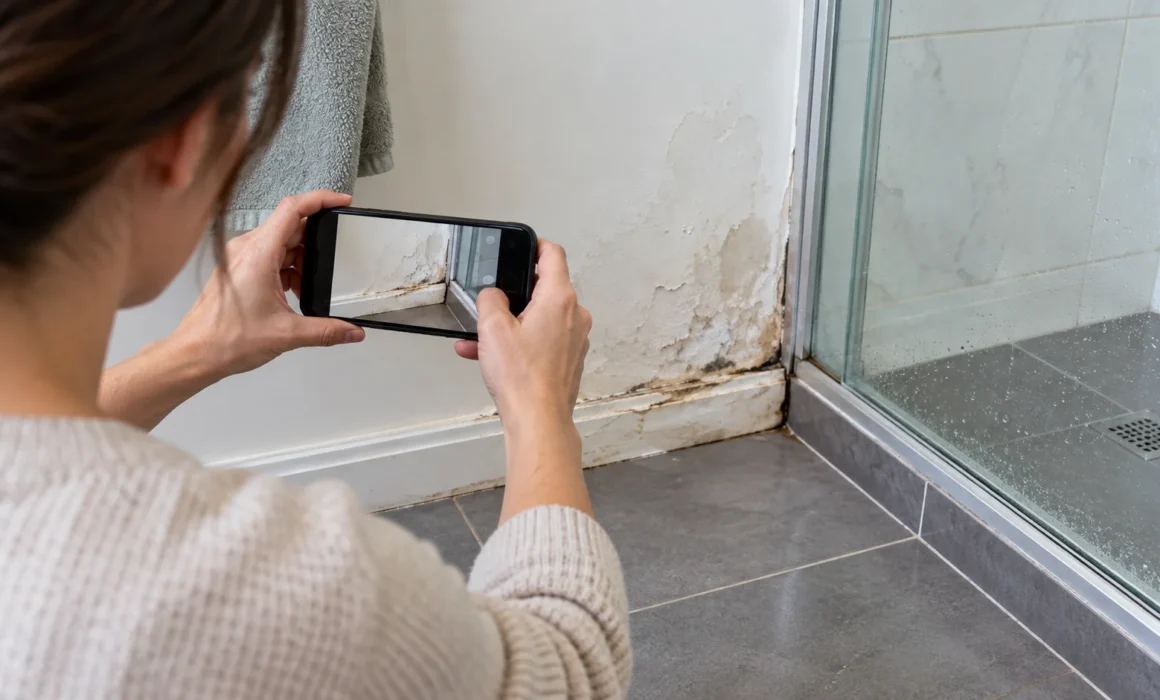
- Report it in writing. Email the property manager with the date, a description and photos.
- Do not arrange the repair yourself. Tenants need written consent before organising routine repairs.
- Allow reasonable time. The owner must arrange the repair within a reasonable timeframe and should keep you informed about delays.
- Issue a Notice to remedy breach (Form 11) if nothing happens. It gives the owner seven days to fix the problem.
- Use the RTA’s free dispute resolution service if the breach is not remedied.
- Apply to QCAT for a repair order as a last step.
Keep paying rent throughout. The RTA is clear that withholding rent is a breach of the agreement, even when repairs are overdue.
Mould, damp and minimum housing standards
Minimum housing standards have applied to all Queensland tenancies since 1 September 2024. They applied to new tenancies from 1 September 2023. Under the RTA’s minimum housing standards fact sheet, a rental property must be:
- weatherproof and structurally sound
- in good repair
- free from vermin, damp and mould, unless the tenant caused it
- fitted with adequate plumbing and drainage
A leaking shower puts several of these at risk. Water in the wall cavity causes damp and mould in the next room, and wet framing loses strength over time. Repairs needed to meet the minimum standards are treated as emergency repairs, which shortens the timeline for owners. If mould is already showing, our article on what causes mould in your shower explains how to tell a leak from a ventilation problem.
What tenants should do about a leaking shower in a rental property
- Report early. A leak reported in week one is a small repair. The same leak after six months may involve flooring and framing.
- Send photos. Include the damp patch, any mould, and the grout and silicone in the shower.
- Note the pattern. Does it get worse after showers? Does it stay wet when nobody uses the shower? This helps the repairer.
- Reduce the damage. Use another shower if you have one, ventilate the room and move furniture away from damp walls.
- Give access. The repairer needs entry, and the property manager must give proper notice.
- Keep records. Save every email and the dates of each visit.
What landlords and property managers should do
A leaking shower gets more expensive every week it is left. Timber framing rots, skirting boards swell, carpet has to be replaced, and damp timber attracts termites. A prompt repair is nearly always the cheaper one.
- Acknowledge the report in writing and give the tenant a timeframe.
- Get the leak diagnosed, not guessed. Ask for pressure and moisture testing so you know whether the cause is plumbing, grout, sealant or the membrane. Our guide on whether you need a plumber or a shower specialist explains the difference.
- Choose the least disruptive lasting repair. Many leaks can be fixed without removing tiles, often in a day. The tenant stays in the home and you avoid a rent reduction claim.
- Use a licensed contractor. In Queensland, building work over $3,300 requires a QBCC licence, and plumbing requires one at any value.
- Check your landlord insurance. Policies often treat sudden damage differently from gradual leaks, so read the wording and ask your insurer.
- Keep the invoice and report on file for the entry and exit condition reports.
Leaky Showers works with property managers across Brisbane, Logan and the Gold Coast. We coordinate access with tenants and provide written reports for owners.
Can a tenant ask for a rent reduction?
Possibly. If part of the premises cannot be used, such as the only bathroom, a tenant can ask for a rent reduction for that period. Agree to it in writing. If the parties cannot agree, the RTA’s dispute resolution service and then QCAT can decide. A fast repair usually makes the question disappear.
Conclusion
For a leaking shower in a rental property in Queensland, the owner generally pays and the tenant must report it promptly in writing. A burst pipe or a leak that makes the home unsafe is an emergency repair. A slow leak is a routine repair that still has to be fixed in a reasonable time. Both sides benefit from acting early and keeping records.
If you manage or own a rental with a leaking shower, Leaky Showers can test the source and repair it, usually without removing tiles and with minimal disruption to your tenant. Request a free quote today.
Frequently Asked Questions
Who is responsible for a leaking shower, the landlord or the tenant?
The landlord is generally responsible in Queensland. The owner must keep the property in good repair and pays for repairs unless the tenant caused the damage. The tenant’s duty is to report the leak promptly in writing and to avoid making it worse.
How long does a landlord have to fix a leaking shower in QLD?
Routine repairs must be done within a reasonable time, and the law does not set a fixed number of days. If nothing happens, a tenant can issue a Notice to remedy breach (Form 11), which gives the owner seven days. Emergency repairs must be dealt with immediately.
Can a tenant fix a leaking shower and deduct it from rent?
No. Tenants should not deduct repair costs from rent, and withholding rent is a breach. For genuine emergency repairs where the owner or agent cannot be reached, a tenant can arrange the repair up to a value of four weeks’ rent and then claim reimbursement.
Is the landlord responsible for mould caused by a leaking shower?
Yes, generally. Queensland’s minimum housing standards require a rental to be free from damp and mould unless the tenant caused it. Mould caused by a leak or building defect is the owner’s responsibility. Mould from poor ventilation or cleaning habits is the tenant’s.
Can a tenant be charged for water damage from a leaking shower?
Only if the tenant caused the damage or contributed to it. A tenant who breaks tiles, or who knowingly leaves a leak unreported for a long period, may face a claim for the resulting damage. Reporting in writing as soon as you notice a problem protects you.
What if the landlord refuses to fix the leak?
Issue a Form 11 Notice to remedy breach, which allows seven days. If the repair is still not done, apply to the RTA for free dispute resolution. If that fails, apply to QCAT for a repair order. Keep paying rent during the process.
Does landlord insurance cover a leaking shower?
It depends on the policy. Many landlord and building policies cover sudden and accidental water damage but exclude gradual leaks, wear and tear, and the cost of fixing the faulty item itself. Check the product disclosure statement and ask your insurer before you rely on cover.